By MUBUTV Staff
How Hip-Hop’s Spirit Shaped Global Culture: Lessons from DJ Groovematic
How Hip-Hop’s Spirit Shaped Global Culture: Lessons from DJ Groovematic sums up the story we’re about to share—because hip-hop isn’t just music, it’s a whole movement that’s reached every corner of the world, and Tony Evans, DJ Groovematic, was there when it all started.
You don’t need to come from New York to feel the beat.
But it helps to know where it came from.
Because hip-hop was never just about the sound.
It was about the people, the style, the stories—the spirit.
And the beat didn’t begin in record companies or fancy studios.
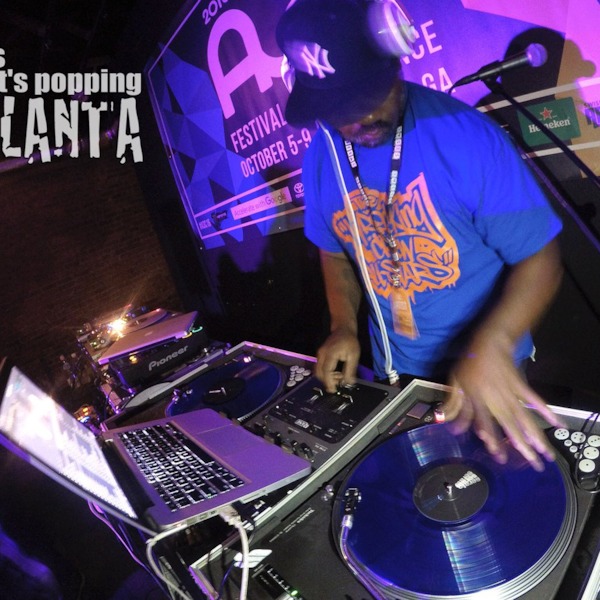
It started in block parties, in youth centers, and on the streets of New York City—where Tony Evans spun the first records and witnessed a culture being born.
Until you stop asking,
“What makes hip-hop so special?”
And start seeing,
“That energy, that community, that creativity? It changes the world.”
So let’s break down what makes hip-hop’s heart beat, and why it matters today.
The Birthplace: A Culture Made By Kids
You don’t need a PhD to understand hip-hop’s roots. You just need to listen.
Hip-hop’s story started around 1975-1979. Back then, Tony Evans was 7 years old, spinning tapes at block parties, where kids remixed nursery rhymes to make something new—no adults telling them what to do, no record labels calling the shots.
The first lesson?
Hip-hop was their own thing. Before outsiders saw its value, it was invented by young Black teenagers in New York City who wanted something to call their own. They weren’t copying their parents’ music—they were making the rules, the fashion, the slang, and putting their energy into every beat.
What Outsiders Missed: Authenticity & Community
Here’s the thing: outsiders thought hip-hop was “just a fad.” For years, people argued it wouldn’t last. But they missed the point. Hip-hop gave kids the chance to express themselves, create their own reality, and find community.
As Tony Evans puts it, “To have something to call your own and something you can totally identify with, was great for kids...it belonged to us before outsiders came in and manipulated it.”
Community is how hip-hop grew powerful. Block parties weren’t just for music—they were about belonging, inventing, and sharing. This spirit helped hip-hop survive as an underground movement until the early ‘90s, when the mainstream finally caught on.
Innovation: Mixing Genres, Creating Breakbeats
Hip-hop didn’t stick to one sound. DJ Groovematic and his peers blended funk, soul, disco, and even rock. James Brown’s funk was the blueprint, but hip-hop DJs searched for “breaks”—those bits of percussion that made people dance. If the beat was good, it didn’t matter if it was from Billy Squire or Chic. It was about the drums.
When sampling came along in the 1990s, hip-hop became a melting pot of global sounds. If it fit the spirit, it went in the mix.
The Evolution of Battle Rap & Freestyle
Freestyle and battle rap aren’t just skills, they’re the heart of hip-hop’s competitive side. In the early days, freestyles were simple fun—making up rhymes, bragging, showing off. You had to have bars ready for any party, any battle on the street. Later, in the ‘90s, freestyle became an art. It wasn’t enough to rhyme—you had to make sense, be cool, and win the crowd.
Battle rap evolved into a craft so technical that Tony Evans says battle rappers are among the best writers on the planet. The skill isn’t just in the rhyming, but the story-telling, the performance, and the energy it takes to stand in front of a crowd and deliver.
Hip-Hop Goes Global: Turntablism Overseas
When the culture crossed oceans, the world took notice.
In the late ‘80s, Tony Evans brought hip-hop turntablism to Germany as a soldier. European audiences were amazed—hip-hop was still fresh, and they had never seen the tricks, the energy, the art. Tony was treated like a rock star, and DJs in Europe wanted him to bring his skills to their clubs. The love and respect for hip-hop was strong overseas, often even more than in the US.
That’s how hip-hop’s spirit shaped global culture: kids from New York invent a movement, then it travels worldwide, picking up new fans and creators everywhere it goes.
The Fight for Authenticity
But hip-hop also faced challenges. When big businesses saw how popular it was, they jumped in, hoping to make money. Tony Evans explains that when outsiders control the culture, sometimes the true spirit gets lost. Opportunities now require approval from people who didn’t grow up in the culture. Knowledge isn’t just in textbooks—it’s in people who lived it.
Tony’s advice? Bring the original creators into the conversation. Don’t trust internet stories—talk to those who lived, breathed, and built hip-hop from the ground up.
Inspiration: What to Watch and Read
If you want a real look at hip-hop culture, Tony recommends the classic films: Wild Style, Beat Street, and Crush Groove. Unlike Hollywood movies with actors playing rappers, these films feature the real artists who made hip-hop what it is. They’re the authentic source, not just the surface-level story.
Passing the Torch: Advice for the Next Generation
What does Tony want you to remember?
Be authentic. Bring passion. Know your history. Whether you’re a DJ, MC, or producer, you can bring your own energy to hip-hop, no matter your age. Tony is a “triple threat”—DJ, writer, producer, educator, and historian—and he brings the same spirit to teaching as he does to the turntables. If you want to reach out, he’s on Instagram at TheGrooveMaticMovement777.
How Hip-Hop’s Spirit Shaped Global Culture: Lessons from DJ Groovematic is more than just a title—it’s the message that hip-hop is a living, breathing culture. It’s grown from local parties to a worldwide movement, but the true heart is still about authenticity, community, and creativity. Remember, the real spirit of hip-hop can’t be taught in a classroom—it lives in the people who make it.
KEY TAKEAWAYS: How Hip-Hop’s Spirit Shaped Global Culture
- Hip-hop began as an authentic, kid-driven movement, with block parties and music created by young people.
- Outsiders often misunderstood the creative, communal energy of hip-hop, seeing it as merely a fad.
- Hip-hop’s musical innovation took inspiration from funk, soul, disco, and rock, always seeking out the best breakbeats.
- Battle rap and freestyle skills evolved from fun party rhymes to technical, intricate performances—core to hip-hop’s DNA.
- As hip-hop traveled globally, European audiences especially showed deep appreciation and respect for the culture.
- The commercialization of hip-hop brought challenges, as outsiders took control from original creators, making authenticity harder to maintain.
- Tony Evans recommends classic films (Wild Style, Beat Street, Crush Groove) for true hip-hop inspiration.
- Staying authentic, passionate, and connected to hip-hop’s roots is vital for DJs, MCs, and producers alike.
BEST MOMENTS: Insights from DJ Groovematic
- 💬 “Hip-hop is made by New York teenagers... this whole culture we see today was invented by kids, really.”
- 💬 “Nobody can tell us how to dress, how to act. Not even adults could tell us what to do because we created it.”
- 💬 “If you knew what it takes to write a battle rhyme... it surpasses screenwriters, poems, movie writers.”
- 💬 “The love is— they love it like a whole lot more than we— they appreciate it more than we do here in the States.”
- 💬 “What I have can’t be taught in a university. You can’t get a degree in what I have.”
- 💬 “I feel like I am hip-hop...Not only am I triple threat, but I teach, so that’s 4 aspects, and I A&R too, so that’s 5.”
TIMESTAMPED OVERVIEW
- 10:02 – The Tape Era: Hip-hop’s first generation
- 13:17 – Outsiders and the spirit of hip-hop
- 15:41 – Musical influences and breakbeats
- 17:31 – Battle rap and freestyle evolution
- 26:42 – Turntablism takes hip-hop global
- 29:21 – Commercialization and authenticity
- 33:04 – Tony’s recommended films
- 37:18 – Advice for the next generation
VALUABLE RESOURCES
- MUBUTV Podcast: mubutv.com/podcast/shownotes
- Instagram: TheGrooveMaticMovement777
- YouTube: youtube.com/mubutv
LINKS TO CONNECT WITH THE HOST
- Podcast: mubutv.com/podcast
- Website: mubutv.com
- Instagram: @mubutv
- Facebook: @mubutv
- TikTok: @mubutv
- Twitter/X: @mubutv
ABOUT THE HOSTS
Eric Knight and Ritch Esra are music industry veterans dedicated to educating and empowering artists and professionals. The MUBUTV Music Business Insider Podcast shares conversations with pioneers like Tony Evans, helping listeners unlock authentic inspiration and actionable insights for their own music journey.


